
Securing a home near the ocean is a dream for many, offering breathtaking vistas, serene environments, and a prestigious lifestyle. However, owning oceanfront or near-shore real estate comes with a unique set of geographical and environmental challenges. To protect these high-value investments, securing specialized coastal properties home insurance is not just a luxury—it is an absolute necessity. Traditional homeowners insurance policies often fall short when addressing the severe risks associated with coastal environments, such as hurricane-force winds, storm surges, and rapid salt-air degradation. This comprehensive guide explores the nuances of coastal properties home insurance, detailing what it covers, why it is essential, and how homeowners can optimize their coverage while managing premium costs.
The Unique Risk Profile of Coastal Properties
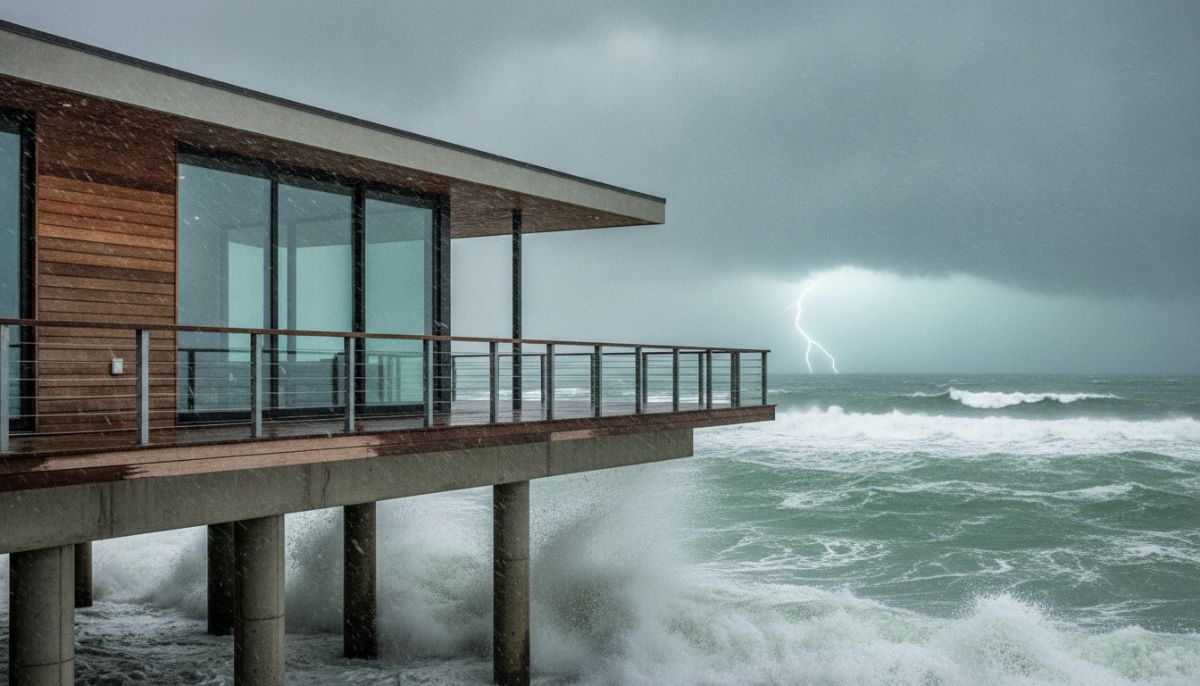
Coastal regions are inherently volatile ecosystems. Unlike inland properties, coastal homes are directly exposed to the raw power of the ocean and extreme weather patterns. Understanding these risks is the first step in assessing your insurance needs:
- Wind and Hail Damage: Hurricanes, tropical storms, and nor’easters generate devastating windspeeds that can easily compromise roofs, shatter windows, and cause structural collapse.
- Flooding and Storm Surges: Perhaps the most destructive coastal threat, storm surges occur when severe storms push massive volumes of ocean water onto the shore, flooding lower levels of homes within minutes.
- Salt Air Corrosion: The high salinity in coastal air accelerates the degradation of building materials, including metals, wood, and concrete, potentially weakening structural integrity over time.
- Erosion and Land Subsidence: Ongoing wave action and rising sea levels can erode the land beneath a coastal structure, threatening its fundamental stability.
- Distance to the Coastline: Properties located right on the beachfront (first tier) pay significantly higher premiums than homes located a mile or more inland (second or third tier).
- Elevation of the Lowest Living Level: Homes elevated on pilings or stilts above the base flood elevation (BFE) experience much lower flood insurance rates because floodwaters can pass underneath without causing catastrophic structural damage.
- Age and Construction Standards: Modern homes built under stringent local building codes (such as the Miami-Dade County standards) utilizing impact-resistant glass, hurricane straps, and reinforced concrete walls qualify for substantial premium discounts.
- Roof Geometry and Material: Hip roofs (which slope downward on all sides) perform significantly better in high winds than gable roofs and are rewarded with lower insurance premiums. Metal roofs and high-impact shingles also lower risk profiles.
Because of these elevated risks, standard insurance providers often exclude or severely limit coverage for windstorms and floods in coastal ZIP codes, forcing homeowners to seek specialized policy structures.
Standard Home Insurance vs. Coastal Properties Home Insurance
It is a common misconception that a standard HO-3 homeowners insurance policy provides complete protection for a coastal home. In reality, standard policies generally exclude flood damage and often require separate deductibles or endorsements for windstorm damage in high-risk coastal zones.
Below is a comparative analysis of standard home insurance versus specialized coastal properties home insurance:
| Feature / Coverage | Standard Home Insurance (HO-3) | Specialized Coastal Properties Home Insurance |
|---|---|---|
| General Fire & Theft | Fully Covered | Fully Covered |
| Windstorm & Hurricane | Included (with standard deductible) | Often Excluded or Subject to Separate % Deductible |
| Flood & Storm Surge | Strictly Excluded | Excluded (Requires separate NFIP or Private Flood Policy) |
| Salt Air & Corrosive Damage | Excluded (Wear & Tear) | Excluded (Requires proactive maintenance coverage) |
| Deductible Structure | Flat dollar amount (e.g., $1,000) | Percentage of dwelling value (e.g., 2% to 10%) |
| Availability | Widely available from national carriers | Highly restricted; often requires specialized surplus lines |
Key Components of a Robust Coastal Insurance Policy
To construct a comprehensive safety net, owners of coastal real estate must look beyond basic hazard insurance. A robust insurance portfolio for a coastal property typically consists of three primary pillars:
1. Dwelling Coverage with Extended Replacement Cost
Given the high cost of coastal construction materials and labor—which often spike significantly following a regional natural disaster—standard dwelling coverage may not suffice. Homeowners should opt for Extended Replacement Cost or Guaranteed Replacement Cost coverage. This ensures that if building costs surge after a catastrophic event, the insurer will pay to rebuild the home even if the cost exceeds the policy limits.
2. Separate Windstorm and Hail Insurance
In many coastal states (such as Florida, Texas, and the Carolinas), standard insurers exclude wind damage from primary policies. Homeowners must purchase a separate windstorm policy or a specific wind/hail endorsement. These policies typically feature a percentage-based deductible (e.g., 2%, 5%, or 10% of the home’s insured value) rather than a flat fee, meaning a home insured for $1,000,000 with a 5% wind deductible would require the owner to pay $50,000 out of pocket before insurance coverage kicks in.
3. Flood Insurance (NFIP and Private Market)
Standard home insurance never covers damage caused by rising surface water or storm surges. Coastal homeowners must purchase a separate flood insurance policy. This can be obtained through the FEMA-backed National Flood Insurance Program (NFIP) or the rapidly growing private flood insurance market. While NFIP policies are stable, they cap dwelling coverage at $250,000, making private flood excess policies vital for high-value coastal estates.
“Relying on a single, standard homeowners policy for an oceanfront property is one of the most critical financial mistakes an investor can make. In coastal real estate, comprehensive protection requires a multi-layered insurance strategy spanning wind, flood, and excess liability coverages.”
Factors that Dictate Coastal Insurance Premiums
Underwriting coastal properties is a complex science. Insurance companies utilize advanced catastrophic modeling to determine premium rates based on several critical risk variables:
Mitigation Strategies: Reducing Risks and Premium Costs
While coastal properties home insurance can be expensive, homeowners are not entirely at the mercy of underwriting algorithms. Taking proactive steps to fortify your property can dramatically lower your annual premiums:
1. Install Hurricane Shutters and Impact-Resistant Windows: Protecting window openings prevents wind from entering the home, which can create internal pressurization capable of blowing the roof off.
2. Upgrade to a Wind-Rated Roof: Ensure your roof is secured to the wall framing using heavy-duty hurricane straps or clips rather than simple nails.
3. Elevate Utilities and Mechanicals: Place HVAC units, electrical panels, and water heaters on elevated platforms above potential flood levels.
4. Incorporate Proper Drainage Systems: Maintain clear gutters, install French drains, and ensure the surrounding landscape slopes away from the foundation to prevent pooling water.
Navigating the Excess & Surplus (E&S) Market and State Programs
For many homeowners in highly exposed coastal zones, traditional admitted insurance carriers may refuse coverage altogether. In such scenarios, owners must turn to the Excess & Surplus (E&S) lines market. E&S insurers specialize in high-risk, non-standard properties and offer highly customized policies, albeit often at a premium cost.
Alternatively, state-backed insurance programs—such as FAIR (Fair Access to Insurance Requirements) plans or specialized wind pools (e.g., Citizens Property Insurance Corporation in Florida)—serve as insurers of last resort. While these programs ensure that coastal properties remain insurable, they often provide bare-minimum coverage limits, highlighting the importance of working with an experienced independent insurance broker to secure excess coverage wraps.
Conclusion: Safeguarding Your Coastal Investment
Owning a coastal property is an undeniably rewarding experience, but it demands diligent risk management. Relying on basic coverage is a gamble that can lead to devastating financial consequences. By understanding the unique hazards of coastal environments, investing in specialized wind and flood coverages, and actively fortifying your home against extreme weather, you can protect your valuable coastal investment for generations to come.
FAQ
What is the difference between a standard deductible and a hurricane deductible?
A standard deductible is a fixed dollar amount (e.g., $1,000 or $2,500) that you pay out of pocket for typical claims like fire or theft. A hurricane or windstorm deductible is usually calculated as a percentage of your home’s total insured dwelling value (typically 1% to 10%). For instance, if your coastal home is insured for $800,000 and you have a 5% hurricane deductible, you must pay $40,000 out of pocket before insurance covers wind damage from a named storm.
Does coastal properties home insurance cover flood damage from a hurricane storm surge?
No, standard coastal homeowners insurance and windstorm policies do not cover damage caused by rising water, tidal waves, or storm surges. To protect your property against these perils, you must purchase a separate flood insurance policy through either the National Flood Insurance Program (NFIP) or a private flood insurance carrier.
How can I lower my premiums for a coastal home insurance policy?
You can lower your premiums by implementing wind mitigation measures, such as installing impact-resistant glass or storm shutters, upgrading to a metal or wind-resistant roof, securing the roof with hurricane straps, and elevating your home’s foundation and mechanical systems. Providing an official Wind Mitigation Certificate to your insurer can unlock substantial premium discounts.
What is an Excess and Surplus (E&S) insurer, and when do I need one?
An Excess and Surplus (E&S) insurer is a specialized insurance company that covers high-risk properties that standard, admitted insurance companies decline to write. If your coastal home is located in an extremely high-risk zone (e.g., directly on the beachfront or in a historic hurricane path) and traditional insurers refuse to cover it, an E&S insurer can write a customized policy tailored to your home’s specific risk profile.




Leave a Reply