
Introduction
The landscape of the global insurance sector is undergoing a profound paradigm shift. Driven by rapid technological advancements and the proliferation of consumer health tech, traditional underwriting models are being replaced by dynamic, data-driven frameworks. At the forefront of this revolution is Biometric-Linked Health Insurance. This innovative model integrates real-time physiological data from wearable devices, IoT sensors, and smart monitors directly into insurance policy structures. By replacing historical static averages with real-time individual data, biometric-linked health insurance offers a highly personalized approach to coverage, risk assessment, and premium calculation.
Historically, health insurance premium rates were determined using broad actuarial tables based on static demographic factors such as age, gender, geographic location, and medical history. While effective for aggregate risk mitigation, this traditional system often penalizes healthy individuals who fall into high-risk demographics and fails to incentivize proactive health management. Biometric-linked health insurance disrupts this status quo. By leveraging continuous telemetry of vital signs, physical activity, and sleep patterns, insurers can now foster a symbiotic relationship with policyholders—one where healthier lifestyles translate directly into lower financial premiums.
How Biometric-Linked Health Insurance Works
The operational core of biometric-linked health insurance relies on a continuous loop of data collection, secure transmission, cloud-based analysis, and dynamic policy adjustment. The process typically unfolds through the following sequential phases:
1. Device Enrollment and Authorization: Policyholders voluntarily opt-in to biometric programs and sync their verified wearable devices (such as smartwatches, fitness trackers, or continuous glucose monitors) with the insurer’s proprietary software application.
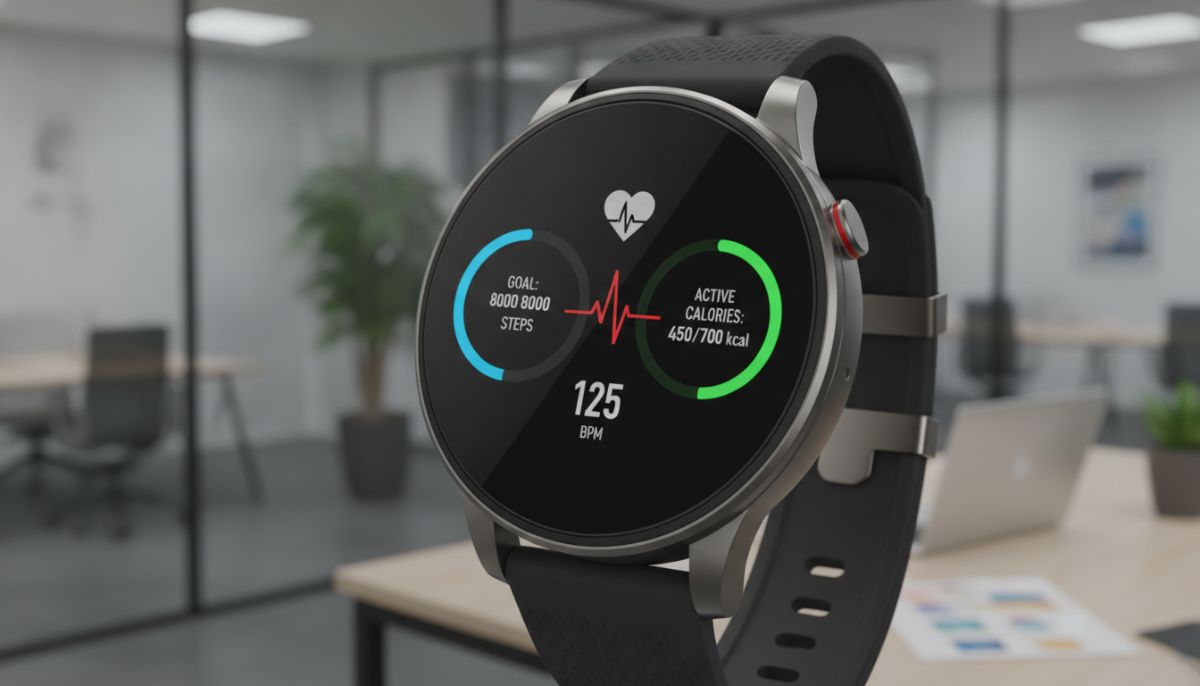
2. Real-Time Data Telemetry: The enrolled devices continuously capture various biometric parameters. These metrics commonly include daily step counts, active heart rate, resting heart rate, sleep duration and quality, oxygen saturation ($SpO_2$), and occasionally more advanced indicators like Electrocardiogram (ECG) data or blood pressure trends.
3. Secure Cloud Analysis: The collected data is encrypted and securely transmitted to the insurer’s cloud platform. Here, proprietary machine learning algorithms analyze the data streams against pre-established wellness benchmarks.
4. Dynamic Premium Adjustments & Incentives: Based on the analyzed activity levels and physiological health, policyholders receive immediate positive reinforcement. This can manifest as monthly premium discounts, cash-back rewards, lowered deductibles, or gift cards to wellness partners.
A Comparative Analysis of Health Insurance Paradigms
To better understand the structural advantages of this modern system, it is useful to compare it against the conventional framework. The table below outlines the core differences between traditional models and biometric-linked health insurance:
| Feature | Traditional Health Insurance | Biometric-Linked Health Insurance |
|---|---|---|
| Underwriting Basis | Static actuarial tables, historical records, and annual checkups. | Real-time, continuous physiological and behavioral telemetry. |
| Premium Structure | Fixed annual premiums adjusted based on age and macro-trends. | Dynamic premiums with potential discounts based on active wellness tracking. |
| Risk Management | Reactive (paying claims after illness or medical events occur). | Proactive (incentivizing healthy habits to prevent chronic illnesses). |
| User Engagement | Low; interaction occurs primarily during renewals and claims filing. | High; daily interactions via app integrations, goals, and challenges. |
| Data Sources | Physical medical questionnaires, clinical lab reports. | Wearables, smart sensors, health apps, and biometric devices. |
Key Benefits of Biometric-Linked Models
For Policyholders: Tailored Savings and Enhanced Wellness
The most tangible benefit for consumers adopting biometric-linked health insurance is financial savings. Individuals who maintain an active lifestyle, get adequate sleep, and manage their vital signs can see a dramatic reduction in their insurance overhead. Beyond financial rewards, these policies act as a powerful motivational catalyst. By gamifying healthy habits with real-time feedback and tangible financial rewards, policyholders are actively guided toward healthier lifestyle decisions, reducing their risk of developing chronic lifestyle-induced conditions such as Type II diabetes, obesity, and cardiovascular disease.
For Insurers: Mitigated Risk and Customer Retention
From an underwriter’s perspective, biometric-linked health insurance drastically reduces the uncertainty associated with moral hazard and adverse selection. Real-time data provides high-fidelity insight into the actual risk profile of the insured portfolio. By encouraging healthier lifestyles, insurers experience a marked decrease in expensive clinical interventions and emergency room visits, lowering the overall loss ratio. Furthermore, the daily engagement required by these biometric systems strengthens the relationship between the insurer and customer, boosting brand loyalty and customer retention rates.
“The integration of real-time biometric telemetry into health underwriting is not merely a financial innovation; it is a fundamental shift from a reactive system designed to fund illness to a proactive platform engineered to cultivate lifelong wellness.”
Privacy, Security, and Ethical Considerations
While the benefits of biometric-linked health insurance are substantial, the widespread adoption of this technology introduces complex ethical and security challenges. Chief among these is data privacy. Biometric data is incredibly personal; its unauthorized interception or misuse presents a severe risk to individual privacy. Insurers must implement military-grade, end-to-end encryption protocols and adhere to strict regulatory compliance standards such as the Health Insurance Portability and Accountability Act (HIPAA) in the United States or the General Data Protection Regulation (GDPR) in Europe.
Another significant concern is the ethical risk of algorithmic bias and systemic discrimination. There is a fine line between rewarding healthy behavior and penalizing individuals with physiological limitations. Those with chronic disabilities, genetic predispositions, or physically demanding jobs may find it structurally impossible to meet the same biometric benchmarks as healthier, white-collar peers. To prevent systemic exclusion, insurers must design flexible, personalized baselines that measure improvement and relative effort rather than absolute, standardized physical outputs.
The Technical Road Ahead and Future Outlook
As biosensor technology matures, the depth of data available to biometric-linked health insurance platforms will grow exponentially. Future systems will go far beyond tracking daily steps and basic heart rates. The integration of non-invasive continuous glucose monitors, sweat-analyzing skin patches, and voice-analysis software will soon allow insurers to monitor metabolic health and cognitive well-being in real-time.
Moreover, the integration of generative Artificial Intelligence (AI) will enable highly sophisticated predictive health modeling. AI agents will analyze biometric trends to detect early signs of cardiovascular decline or respiratory infections days before physical symptoms manifest. When integrated with telemedicine services, this will allow insurers to recommend preventative, low-cost clinical interventions, virtually eliminating the need for expensive hospitalizations.
FAQ
What is biometric-linked health insurance?
Biometric-linked health insurance is a modern model of health coverage where policy premiums, rewards, and benefits are directly influenced by the real-time physiological and behavioral health data collected from the policyholder’s wearable devices and smart sensors.
What happens if I fail to meet my daily fitness goals?
Typically, failing to meet goals does not result in premium increases or penalties. Instead, you simply forfeit the potential discounts, cashbacks, or rewards associated with that tracking period. However, premium structures depend entirely on the specific terms of your policy.
Is my personal biometric data safe with insurance companies?
Reputable insurers employ advanced, multi-layered cybersecurity measures, including AES-256 encryption and blockchain-inspired data custody models. Additionally, they must strictly comply with local and international health data protection laws, such as HIPAA and GDPR, to ensure your sensitive health metrics are never shared without explicit consent.
Are there options for individuals with physical disabilities?
Yes. To prevent discrimination, modern biometric insurance programs offer personalized baseline adjustments. These adaptive systems measure individual progress, relative exertion, or alternative health metrics (like nutrition and sleep quality) rather than relying on uniform physical expectations.

Leave a Reply